Expeditions
Presque Isle
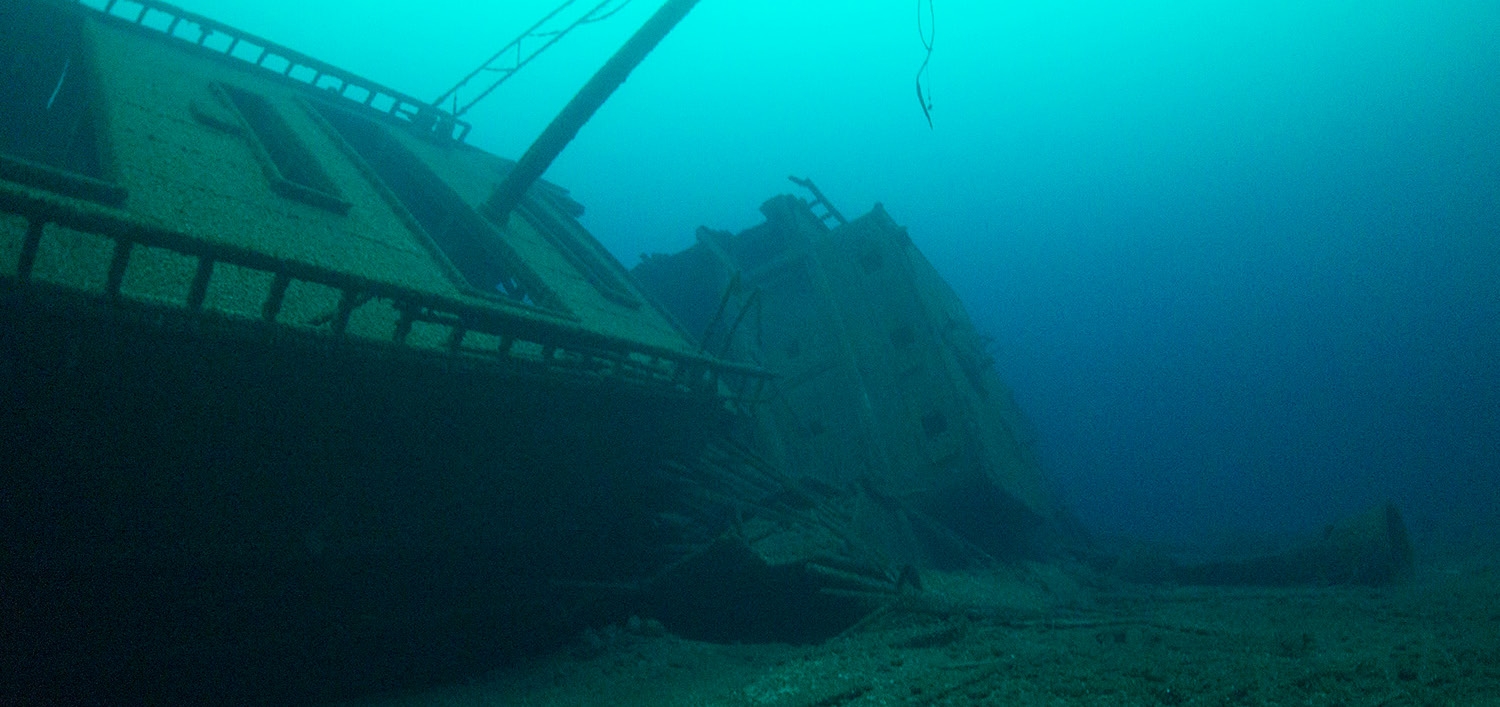
The best wreck diving in the world!
The Great Lakes are the largest group of fresh water lakes on Earth and contain twenty percent of the world’s fresh water. The lakes are all connected to the Atlantic Ocean through the St. Lawrence River.
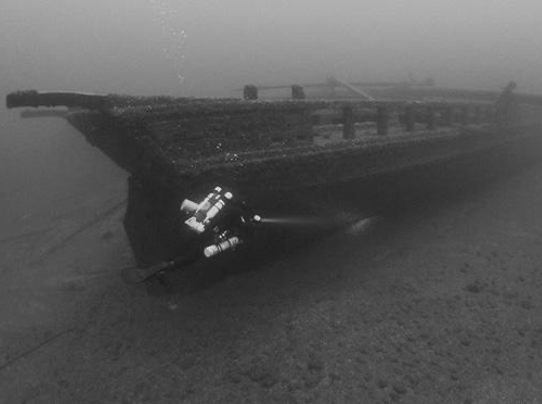
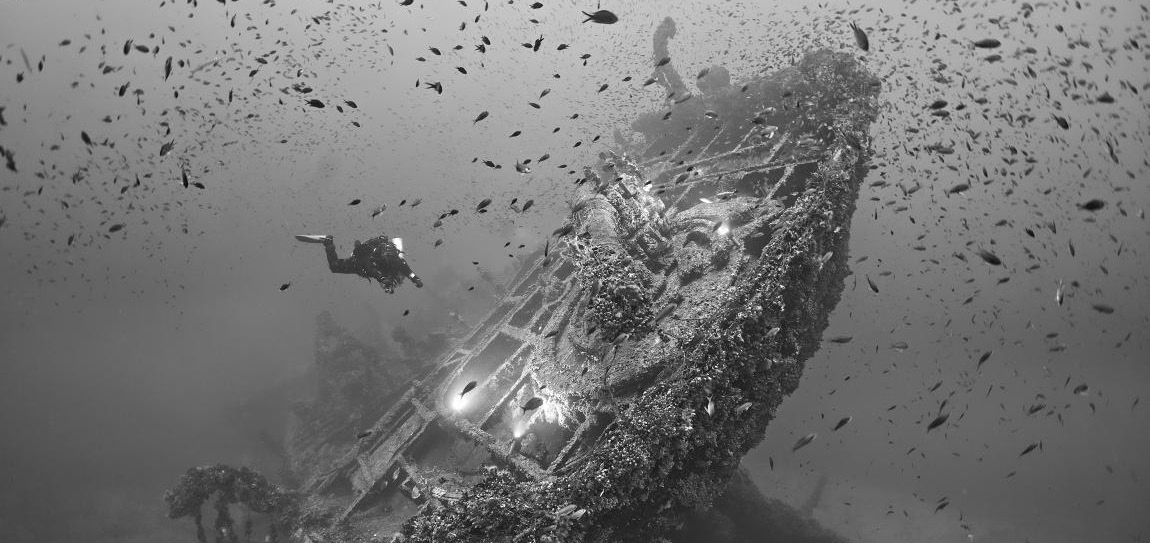
The Great Lakes were once America’s busiest highways. Ships filled with lumber, coal, iron ore, and vacationers en route to lakeside resorts, crisscrossed the nation through these waterways. Unfortunately, the waters were as dangerous as they were busy, and often unpredictable storms and the resulting waves took down ships (and occasionally took lives). There are thousands of shipwrecks in the Great Lakes each with its own unique history. They are the best preserved shipwrecks in the world. Some have been discovered, others waiting to be discovered and explored.
Presque Isle, Lake Huron
Includes:
- Five days of wreck diving – two tech dives a day (160-200 ffw)
- Six days, seven nights lodging in private house on Grand Lake (double occupancy)
- All meals (except one dinner out) included
Minimum Dive Qualifications:
- CCR certification to 60 m/200 fsw
- DAN Insurance
The Accomodations
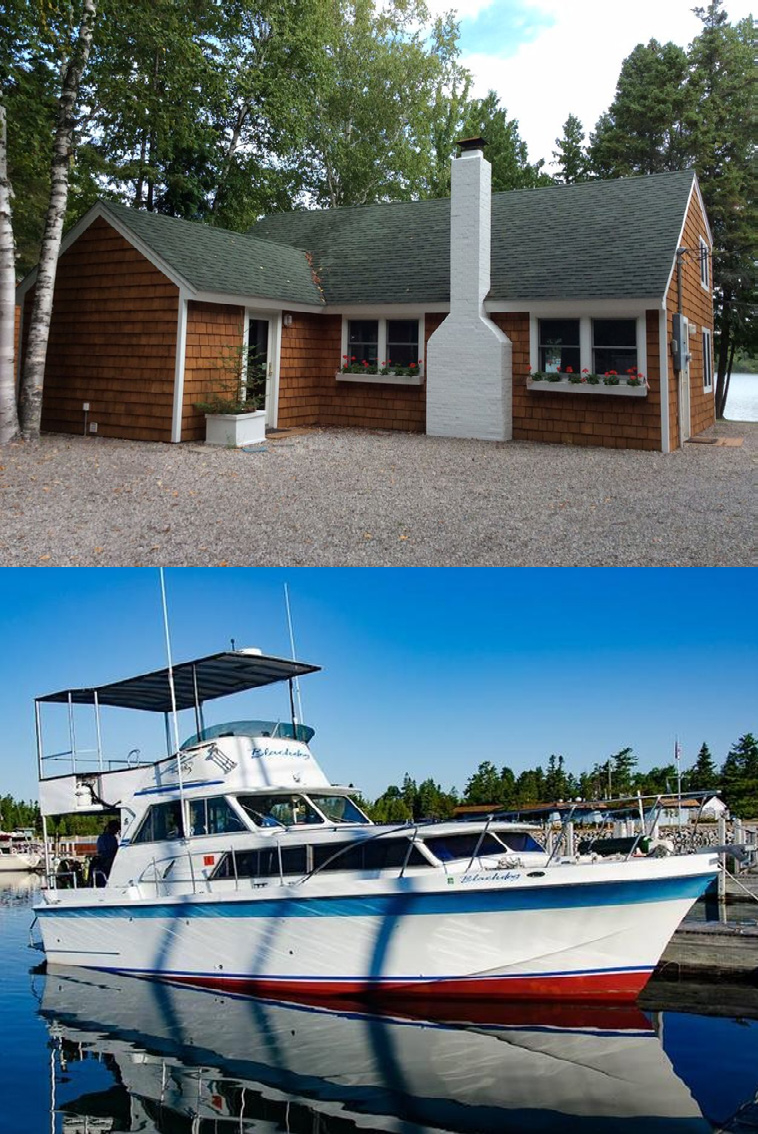
We will be staying in a lakefront cottage on Grand Lake that’s only five minutes from Presque Isle Harbor. The cottage has two bedrooms in the main house and two separate studios, two bathrooms, an outdoor shower, and a lakeside firepit.
The Boat
Blackdog is a 36’ Uniflite Sport Sedan with twin Cummins 370HP diesel motors. She has multiple chart ploters and depth finders, radar, and marine radios. She also has a full galley with hot and cold running water, large marine head, generator for AC power, walk through transom with a fin ladder on the large swim platform. She has gear benches for six divers and lots of extra room for divers to move around.
Captain Brian Anderson has 18 years of experience running charters in the Great Lakes.
- Comfortable bench seating
- Large deck and swim platform
- Walk-thru transom
- Walk-on ladder (easy to climb)
- Onboard and in water oxygen
- Carolina rig under the boat to keep you away from the boat’s bottom and waves
The Diving
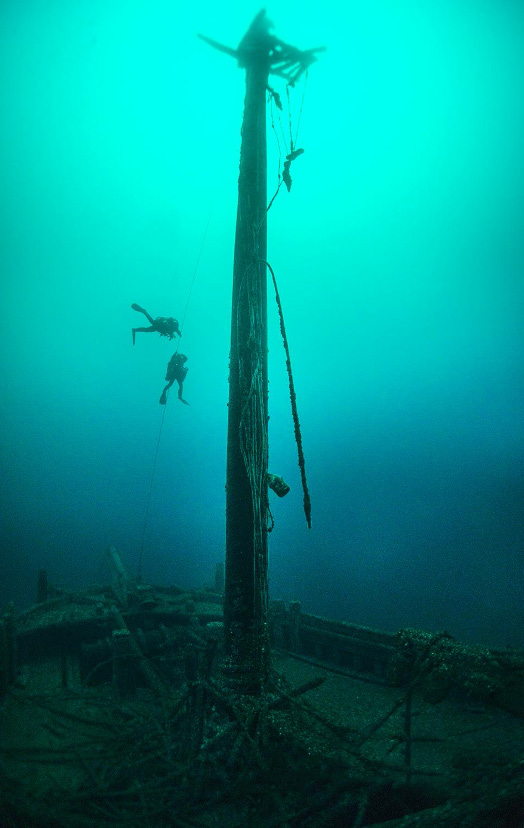
The wrecks of Presque Isle are in 160-200 ffw and only a short (20‑30 min) boat ride from the harbor. Bottom temps are 39-40°F but a thermocline around 60 ffw provides comfortable deco in the mid to high 60s. Bottom times are typically 20-30 mins with run times in the 60-90 min range. As such, CCR divers only need a 40 cf bottle of 50% and either onboard 50s or a deep bailout. Oxygen regs are deployed from the boat at 20 ffw for emergency use. Occasionally there will be a slight surface current in which case the boat will deploy a Carolina Rig from the stern to the mooring. On calm days the boat will do a stern tie directly to the mooring. There is little to no current at depth. Drysuits, drygloves, thick 7-8 mm hoods, and 400g Thinsulate undergarments are highly recommended. Heated vests are nice but not a substitute for proper undergarments. We have scheduled five days of diving with two dives a day plus a weather day. There are several shipwreck museums and lighthouses worth seeing on the weather day.
The Wrecks
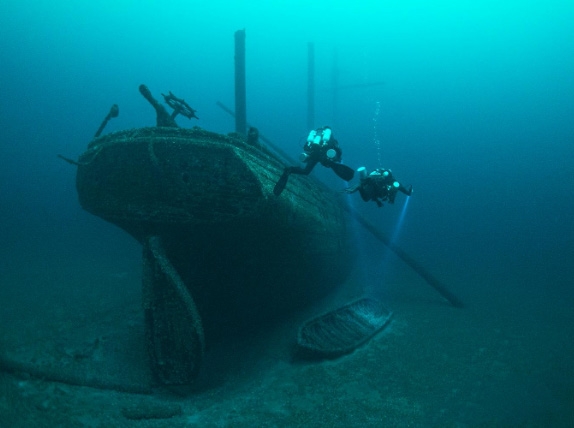
Cornelia B. Windiate
On December 10, 1875, bound Milwaukee for Buffalo, the three‑masted schooner Cornelia B. Windiate, became trapped in ice, cut and sunk. She was not reported as having passed the Straits and her spars were reported sticking out of the water near the Fox Islands, so she was thought for over 100 year to have been lost in Lake Michigan. She was discovered on the bottom of Lake Huron in 1987, in excellent condition.
She sits upright and very intact in 180 feet of water.
Defiance
On October 20, 1854, bound Chicago for Detroit and Buffalo, the two‑masted schooner Defiance, loaded with grain, collided with the Audubon, causing both to sink. She has lain undisturbed for over 130 years in 180 ffw with her jib boom resting precariously on the intact bowsprit. This time capsule of maritime history contains unique construction features not found on other vessels, including unusual bow construction and scrollwork, and a chain locker located in the stern.
John J. Audubon
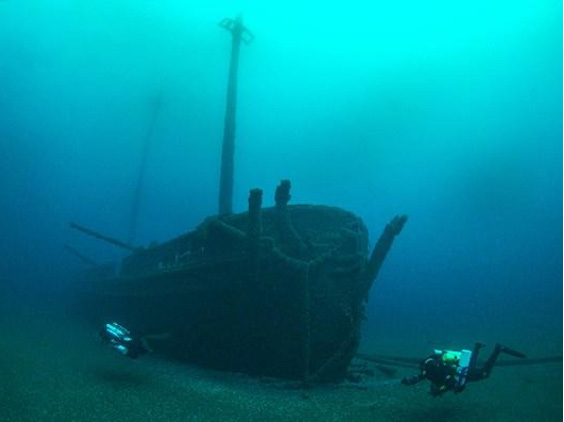
On October 20, 1854, bound Buffalo for Chicago, the two-masted schooner John J. Audubon was struck nearly amidships by the schooner Defiance on a dark night [one source says foggy] and cut almost in half.
The Audubon lies in 178 feet of water north of Presque Isle.
Norman
On May 30, 1895, the steel steamer Norman was rammed amidships by wooden lumber hooker Jack and sank in 210 feet of water in three minutes. Found by John Steele in May 1986, the Norman sits intact on a 45 degree list to port in 210 feet of water and is broken in half.
The anchors fell down off the ship and one of them is stuck by the bow in the bottom. The wheel house landed next to the wreck with its double wheel still inside. The stern section offers penetration for experienced and trained divers. There are gauges, telegraph, electrical panel, milk jug, and water fountain still visible.